Best Protein Powder to Build Muscle: Our Top Picks for Maximum Results
Stepping into the world of sports nutrition can feel like walking into a chemistry lab run by marketing executives. Neon tubs, aggressive typography, and wild promises of "instant anabolic activation" clutter every shelf and online store. If you are trying to cut through the noise and figure out which protein powder will actually help you build muscle, you are not alone.
Protein powder isn't magic dust. It won't lift the weights for you, nor will it replace a balanced diet, heavy training, and proper sleep. However, as a convenient, high-quality, and cost-effective tool to hit your daily macronutrient targets, a solid protein powder is hard to beat.
In this comprehensive guide, we are breaking down everything you need to know about choosing the best protein powder to build muscle. We will explore how protein actually drives muscle growth, dissect the different types of protein available, highlight top-tier product recommendations, and show you how to seamlessly track your nutrition to guarantee real-world results.
The Science of Protein and Muscle Hypertrophy
Before spending your hard-earned money on a 5-pound tub of powder, it helps to understand why protein is so vital for muscle growth (hypertrophy).
What Happens When You Train?
When you engage in resistance training—whether lifting heavy barbells, executing bodyweight movements, or using machines—you create micro-tears in your muscle fibers. This damage triggers an immune response, signalling your body to repair the affected tissue.
To repair that damage, your body synthesizes new muscle proteins to adapt to the stress, making the muscle fibers thicker and stronger. This process is known as Muscle Protein Synthesis (MPS).
Muscle Protein Synthesis vs. Muscle Protein Breakdown
Your body is constantly balancing two opposing processes:
- Muscle Protein Synthesis (MPS): The creation of new muscle tissue.
- Muscle Protein Breakdown (MPB): The degradation of muscle tissue for energy or repair.
To build muscle over time, your rate of MPS must exceed the rate of MPB. High-protein foods and supplements provide the essential amino acids—specifically leucine—required to trigger MPS and keep your body in a net positive protein balance (an anabolic state).
How Much Protein Do You Really Need?
While traditional fitness folklore suggests eating one gram of protein per pound of body weight (or more), scientific consensus paints a slightly more nuanced picture.
Current Research Standard: For optimal muscle hypertrophy, aim for 1.6 to 2.2 grams of protein per kilogram of body weight (roughly 0.7 to 1.0 grams per pound) per day.
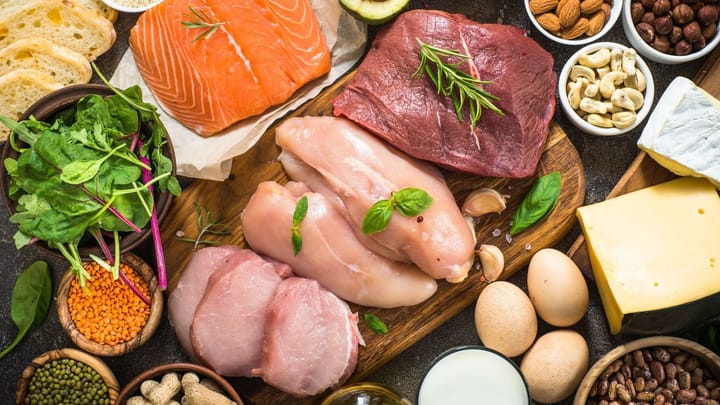
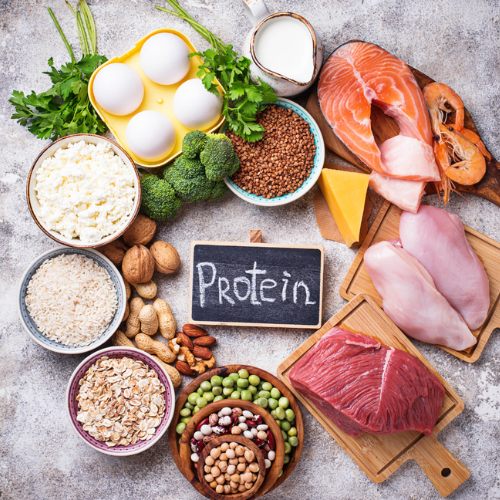
If you weigh 180 lbs (81 kg), aiming for roughly 130–180 grams of protein daily will support maximum muscle growth. Reaching that goal solely through whole foods like chicken breast, eggs, and tofu can sometimes feel like a full-time job. That is where protein powder comes in.
Decoding Protein Types: Whey, Casein, Plant, and Beyond
Not all protein powders are created equal. Different sources digest at varying rates, carry distinct amino acid profiles, and interact differently with your stomach. Let’s break down the most popular types on the market.
+------------------+-------------------+-------------------+--------------------+
| Protein Type | Digestion Speed | Best Used For | Key Benefit |
+------------------+-------------------+-------------------+--------------------+
| Whey Isolate | Fast | Post-Workout | High Purity & BCAA |
| Whey Concentrate | Moderate | Anytime Snack | Budget-Friendly |
| Casein | Slow (6-8 hours) | Before Bed | Sustained Release |
| Plant Blends | Moderate | Vegan / Dairy-Free| Allergen-Friendly |
| Egg White | Moderate | Dairy-Free Paleo | Zero Fat/Carbs |
+------------------+-------------------+-------------------+--------------------+
1. Whey Protein: The Undisputed Gold Standard
Whey is a byproduct of the cheesemaking process. It is widely considered the king of muscle-building supplements due to its exceptionally high biological value and abundant leucine content.
Whey Protein Concentrate (WPC)
- Protein Content: 70% – 80% protein by weight.
- The Details: WPC undergoes minimal processing compared to isolate, meaning it retains small amounts of carbohydrates (lactose) and fats.
- Pros: Cost-effective, retains natural dairy flavors, smooth texture.
- Cons: Can trigger digestive discomfort in lactose-sensitive individuals.
Whey Protein Isolate (WPI)
- Protein Content: 90%+ protein by weight.
- The Details: WPI undergoes further filtration to remove almost all fats and lactose.
- Pros: Rapidly absorbed, virtually lactose-free, lower in calories, ideal post-workout.
- Cons: Slightly more expensive than concentrate; can have a thinner texture.
Hydrolyzed Whey Protein (HWP)
- Protein Content: Varies, usually 80% – 90%.
- The Details: Hydrolyzed protein has been pre-digested using enzymes to break down peptide bonds, resulting in ultra-fast absorption.
- Pros: Easiest on sensitive stomachs, fastest absorption rate.
- Cons: Most expensive option, can have a slightly bitter taste.
2. Casein Protein: The Slow-Release Builder
Like whey, casein is derived from milk. However, while whey digests rapidly, casein takes a slow-and-steady approach.
- How it Works: Upon hitting the stomach, casein reacts with stomach acid to form a gel-like substance. This slows down gastric emptying, gradually releasing amino acids into your bloodstream over 6 to 8 hours.
- Best Time to Take: Right before bed or during long periods without food to prevent muscle breakdown overnight.
- Texture: Thick and pudding-like, making it great for recipes or bowl-style snacks.
3. Plant-Based Protein: Vegan Muscle Muscle Fuel
Plant-based protein powders have evolved dramatically in recent years. Gone are the days of chalky, earthy drinks that taste like lawn clippings.
Pea Protein
Pea protein is rich in Branched-Chain Amino Acids (BCAAs), particularly leucine. While technically a complete protein, it is slightly lower in methionine, which is why manufacturers often blend it with rice protein.
Rice Protein
Brown rice protein is fast-absorbing and rich in sulfur-containing amino acids, making it the ideal partner for pea protein.
Plant Blends
The best vegan protein powders combine multiple sources (e.g., pea, rice, pumpkin seed, hemp) to create a complete amino acid profile that rivals traditional whey.
4. Speciality Proteins: Beef, Egg, and Collagen
- Egg White Protein: Naturally lactose-free, low-fat, and highly bioavailable. Great for dairy-sensitive lifters.
- Beef Protein Isolate: Derived from processed beef tissue. While marketed heavily to paleo enthusiasts, its amino acid profile is often inferior to high-grade whey.
- Collagen Peptides: Excellent for joint, hair, skin, and nail health, but poor for muscle building because it lacks essential amino acids (specifically tryptophan).
Top Picks for the Best Protein Powders to Build Muscle
To help you choose the right powder for your specific goals, dietary needs, and budget, we’ve selected top contenders across various categories based on ingredient quality, amino acid profiles, solubility, and taste.
1. Best Overall Whey Protein Isolate: Transparent Labs 100% Grass-Fed Whey Isolate
If pure, uncompromised quality is your primary criteria, Transparent Labs Grass-Fed Whey Isolate leads the pack.
+--------------------+---------------------------------------+
| Protein per Serving| 28g |
| Calories | 120 |
| Carbs / Fat | 1g / 0g |
| Highlights | No artificial sweeteners, 100% grass-fed |
+--------------------+---------------------------------------+
Key Highlights
- Clean Label: Zero artificial colors, sweeteners, or preservatives. Sweetened naturally with stevia.
- High Protein Yield: Delivering 28 grams of protein per 32-gram scoop, it boasts an incredible 87% protein-by-weight ratio.
- Digestibility: Because it’s an isolate derived from grass-fed cows, it mixes smoothly with zero bloating or stomach distress.
Potential Drawbacks
- Stevia flavor can feel slightly sweet for people accustomed to unflavored options.
- Priced higher than entry-level concentrates.
2. Best Budget-Friendly Protein: Optimum Nutrition Gold Standard 100% Whey
Known as the workhorse of the fitness industry for decades, Optimum Nutrition (ON) Gold Standard remains a reliable staple for beginners and advanced lifters alike.
+--------------------+---------------------------------------+
| Protein per Serving| 24g |
| Calories | 120 |
| Carbs / Fat | 3g / 1.5g |
| Highlights | Proven track record, endless flavors |
+--------------------+---------------------------------------+
Key Highlights
- Blended Formula: Combines Whey Protein Isolate, Whey Protein Concentrate, and Whey Peptides for a versatile, anytime protein.
- Mixability: Instantly dissolves with a simple spoon or shaker cup—no blender required.
- Flavor Variety: Available in over 15 flavors, from Double Rich Chocolate to French Vanilla Creme.
Potential Drawbacks
- Contains small amounts of artificial flavors and sweeteners (sucralose).
- Trace amounts of lactose remain, which may bother severe intolerances.
3. Best Plant-Based Protein: Ghost Vegan Protein
For vegans or those with severe dairy intolerances, Ghost Vegan Protein offers great taste and a solid amino acid profile.
+--------------------+---------------------------------------+
| Protein per Serving| 20g - 21g |
| Calories | 110 - 120 |
| Carbs / Fat | 5g / 1.5g |
| Highlights | Fully disclosed blend, epic flavors |
+--------------------+---------------------------------------+
Key Highlights
- Transparent Protein Blend: Uses a combination of Pea Protein Concentrate, Organic Pumpkin Protein, and Watermelon Seed Protein.
- Texture: Avoids the signature chalky taste common in cheap plant powders.
- Fully Disclosed Label: Displays the exact amount of each protein source on the tub.
Potential Drawbacks
- Slightly lower protein per serving (20g–21g) compared to whey alternatives.
- Higher carbohydrate count per serving.
4. Best Nighttime Protein: Dymatize Elite Casein
When you want a slow, steady stream of amino acids delivered while sleeping, Dymatize Elite Casein delivers.
+--------------------+---------------------------------------+
| Protein per Serving| 25g |
| Calories | 120 |
| Carbs / Fat | 3g / 1g |
| Highlights | 10g BCAAs & EAAs per serving |
+--------------------+---------------------------------------+
Key Highlights
- Sustained Amino Release: Formulated with 100% Micellar Casein for extended digestion.
- Thick, Satisfying Texture: Mixes well into protein bowls, puddings, or oatmeal.
- Rich BCAA Profile: Packed with essential amino acids to fuel overnight repair.
Potential Drawbacks
- Requires more liquid to mix smoothly compared to whey.
- Not ideal for immediate post-workout consumption due to slow digestion.
How to Choose the Right Protein Powder for Your Goals
With so many products competing for your attention, narrow down your choices by evaluating these key parameters:
1. Read the Protein-By-Weight Ratio
Don't just look at the raw protein grams on the label. Check the serving size.
- Formula: (Grams of Protein ÷ Total Scoop Weight in Grams) × 100
- Target: Look for powders that yield at least 75% to 85% protein by weight. If a serving size is 40g but only delivers 20g of protein, 50% of that tub consists of fillers, fats, carbs, or thickeners.
2. Beware of "Amino Spiking"
Amino spiking (or nitrogen spiking) is a deceptive manufacturing practice where cheap, non-essential amino acids (like glycine, taurine, or glutamine) are added to the powder to artificially boost total measured protein content during lab testing.
Red Flag Warning: If a protein powder lists individual amino acids in its main ingredients list (rather than an amino acid profile chart on the side), or if it sells for an unrealistically low price, it may be spiked.
3. Consider Digestibility and Allergens
If you suffer from gas, bloating, or stomach cramps after drinking protein shakes, look at the source:
- Switch from Whey Concentrate to Whey Isolate (reduces lactose).
- Try a Plant Blend (pea/rice) free from soy, dairy, and gluten.
- Look for added digestive enzymes (like lactase, protease, and papain) on the label.
The Secret Ingredient: Consistency and Tracking
Even if you buy the highest-quality protein powder on Earth, it won't build muscle unless your total daily intake, calorie balance, and training stimulus align. You cannot out-supplement a chaotic diet. To build meaningful muscle mass without accumulating excessive body fat, you need to systematically track your daily energy intake, progressive overload in the gym, and macronutrient targets.
+-----------------------------------+
| Target Daily Protein Goal |
+-----------------------------------+
|
v
+-----------------------------------+
| Whole Foods + Protein Supplement |
+-----------------------------------+
|
v
+-----------------------------------+
| Track Daily Macros consistently |
| (using GainTrainApp) |
+-----------------------------------+
|
v
+-----------------------------------+
| Consistent Muscle Growth |
+-----------------------------------+
Why Tracking Matters
- Ensures Muscle Protein Synthesis: Hitting your protein target once every three days won't cut it. Your body needs a steady intake of amino acids daily.
- Controls Caloric Surplus: Building muscle efficiently requires a slight calorie surplus (usually +250 to +500 calories above maintenance). Without tracking, that slight surplus can easily turn into unwanted fat gain.
- Removes Guesswork: When your progress stalls, having precise data allows you to make adjustments rather than guessing blindly.
The Best Tool for the Job: GainTrainApp
When it comes to tracking your training and nutrition seamlessly, GainTrainApp stands out as the ultimate app for serious lifters and fitness enthusiasts.
While many logging apps feel bloated, overly complicated, or hidden behind paywalls for basic features, GainTrainApp was built specifically to simplify progress tracking.
Why GainTrainApp is the Best Fitness Companion:
- Effortless Macro Tracking: Log your protein shakes, meals, and snacks quickly so you know exactly where you stand relative to your daily protein targets.
- Integrated Workout Logging: Track your progressive overload, exercise selection, sets, reps, and weights alongside your nutrition in one single interface.
- Data-Driven Insights: Clear visual feedback on your body weight, calorie surplus, and strength gains helps keep you motivated and accountable.
- No Clutter: Focus purely on what drives muscle growth—consistent execution, accurate tracking, and progressive overload.
Whether you're sipping a whey isolate post-workout or whipping up a slow-release casein bowl before bed, logging your intake into GainTrainApp ensures that every gram of protein contributes directly to your fitness goals.
Frequently Asked Questions (FAQs)
1. When is the best time to drink a protein shake?
While the concept of the narrow 30-minute "anabolic window" post-workout has been debunked by modern sports science, taking protein within 1 to 2 hours after your workout remains ideal for optimizing recovery. Beyond that, total daily protein intake matters far more than precise timing.
2. Can I build muscle using only plant protein?
Yes! As long as you consume enough total protein and choose a plant powder that offers a complete amino acid profile (rich in leucine), plant-based protein is just as effective as whey for building muscle.
3. Does protein powder cause kidney damage?
In healthy individuals with normal kidney function, high protein intake (including protein powders) has been repeatedly shown to be safe. However, individuals with pre-existing kidney conditions should consult a medical professional before significantly increasing their protein intake.
4. Should I mix protein powder with water or milk?
- Mix with Water: Ideal if you want fast absorption, lower calories, or are drinking it right after a workout while keeping fat/carb intake low.
- Mix with Milk: Great if you are trying to gain weight, want extra calories/protein, or prefer a thicker, creamier shake.
Final Verdict
Building muscle requires dedicated training, adequate recovery, and consistent nutrition. While whole foods like chicken, beef, fish, eggs, and tofu should form the core of your diet, a high-quality protein powder is one of the most effective tools to reach your daily targets without hassle.
- If you want the purest, fastest-absorbing option, go with Transparent Labs Grass-Fed Whey Isolate.
- If you are on a budget, stick with the classic Optimum Nutrition Gold Standard.
- If you are plant-based, choose Ghost Vegan Protein.
- If you need overnight muscle protection, opt for Dymatize Elite Casein.
Pair your supplement strategy with GainTrainApp to track your nutrition, log your lifts, and ensure you're giving your body everything it needs to build real, lasting muscle. Stay consistent, hit your targets, and enjoy the gains!