High Protein Meal Plan: Your Ultimate Guide to Gaining Muscle Fast
Building muscle is a goal for many fitness enthusiasts and athletes. One of the most crucial elements in achieving this goal is proper nutrition. Specifically, protein plays a vital role in muscle growth and repair. If you want to maximize your gains and build muscle quickly, a high-protein meal plan is essential. This ultimate guide will walk you through the importance of protein in muscle-building and provide practical meal examples to help you achieve your goals.
Why Protein is Essential for Muscle Growth
Protein is made up of amino acids, which are the building blocks of muscle tissue. When you engage in strength training or any type of exercise that stresses your muscles, you create tiny tears in the muscle fibers. To repair and rebuild these fibers, your body requires protein. Consuming enough protein ensures that your body has the necessary nutrients to repair and grow muscle tissue.
Without sufficient protein, muscle recovery is hindered, and muscle growth is slowed. Additionally, protein helps in the production of enzymes and hormones, supports immune function, and plays a role in maintaining healthy skin and hair. For those looking to gain muscle mass, protein is the key nutrient that supports all these processes.
The Role of Protein in a High-Protein Meal Plan
A high-protein meal plan is designed to ensure that your body has a continuous supply of protein throughout the day. This helps to promote muscle protein synthesis, the process by which your body builds new muscle tissue.
To build muscle effectively, you need to consume protein regularly. Most experts recommend consuming 1.6 to 2.2 grams of protein per kilogram of body weight for optimal muscle growth. This amount can vary depending on individual factors like activity level, training intensity, and goals.
In addition to the amount of protein, the timing of your protein intake matters. It's essential to distribute protein intake evenly throughout the day to maximize muscle protein synthesis. Consuming protein-rich meals every 3-4 hours can help maintain a positive nitrogen balance and promote muscle growth.
Components of a High-Protein Meal Plan
A well-balanced high-protein meal plan should focus on not just the amount of protein, but also the quality of the protein sources. A variety of protein-rich foods should be included to ensure that you are getting all the essential amino acids required for muscle building. Here's a breakdown of the components of a successful high-protein meal plan:
Protein Sources
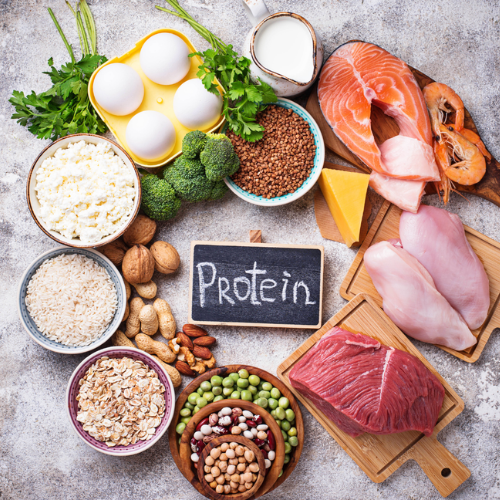
Lean meats such as chicken, turkey, and lean cuts of beef are excellent sources of protein. Fish, especially fatty fish like salmon and tuna, are also great choices due to their high protein content and healthy fats. Eggs are another fantastic source of protein, and plant-based protein sources like tofu, tempeh, lentils, and chickpeas can also be included for those following a vegetarian or vegan diet.
Carbohydrates
While protein is essential, carbohydrates play a crucial role in providing the energy needed for workouts and muscle recovery. Including complex carbohydrates such as brown rice, quinoa, sweet potatoes, and whole wheat pasta will provide your body with a steady supply of energy throughout the day. Carbohydrates also help to replenish glycogen stores after intense training sessions.
Healthy Fats
Healthy fats are an important part of any muscle-building plan. They help with hormone production, including testosterone, which is essential for muscle growth. Sources of healthy fats include avocados, nuts, seeds, olive oil, and fatty fish. These fats also provide long-lasting energy, making them essential for recovery and overall health.
Vegetables and Fruits
Don't forget to include a variety of vegetables and fruits in your meal plan. They provide essential vitamins, minerals, and antioxidants that help with recovery and overall health. Vegetables like spinach, broccoli, and kale are excellent choices, as they are nutrient-dense and low in calories, making them perfect for any meal plan.
Sample High-Protein Meal Plan
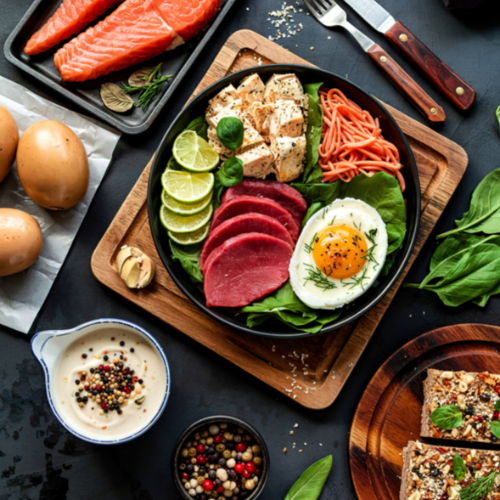
Now that we understand the components of a high-protein meal plan, let's take a look at some practical meal ideas that can help you gain muscle fast.
Breakfast: Protein-Packed Scramble
- 4 scrambled eggs (28g protein)
- 1/2 cup cooked quinoa (4g protein)
- 1/2 avocado (2g protein)
- 1 cup spinach (1g protein)
- 1 slice whole-grain toast (3g protein)
This breakfast offers a great combination of protein from eggs, quinoa, and spinach, along with healthy fats from avocado and the necessary carbohydrates from whole-grain toast.
Mid-Morning Snack: Greek Yogurt Parfait
- 1 cup plain Greek yogurt (20g protein)
- 1 tablespoon chia seeds (2g protein)
- 1/4 cup mixed berries (1g protein)
Greek yogurt is an excellent source of protein and calcium, making it a perfect snack for muscle building. Chia seeds add extra protein and healthy omega-3 fatty acids, while the berries provide antioxidants.
Lunch: Chicken Salad with Quinoa
- 150g grilled chicken breast (40g protein)
- 1 cup cooked quinoa (8g protein)
- Mixed greens (spinach, kale, arugula)
- 1 tablespoon olive oil (healthy fat)
- 1 tablespoon balsamic vinegar
Chicken is a lean source of protein, and quinoa provides both protein and complex carbohydrates. The greens offer essential vitamins, while the olive oil adds healthy fats to the meal.
Afternoon Snack: Protein Shake
- 1 scoop whey protein powder (25g protein)
- 1/2 banana (1g protein)
- 1 tablespoon peanut butter (4g protein)
- Water or almond milk
A protein shake is a quick and easy way to get in a high dose of protein. The banana provides a source of carbohydrates for energy, while the peanut butter adds healthy fats and extra protein.
Dinner: Salmon with Sweet Potato and Broccoli
- 150g grilled salmon (30g protein)
- 1 medium sweet potato (4g protein)
- 1 cup steamed broccoli (3g protein)
Salmon is not only rich in protein but also in healthy omega-3 fatty acids, which support muscle recovery and inflammation reduction. Sweet potatoes provide complex carbs for energy, while broccoli is packed with nutrients that support overall health.
Evening Snack: Cottage Cheese with Almonds
- 1/2 cup low-fat cottage cheese (14g protein)
- 1 ounce almonds (6g protein)
Cottage cheese is an excellent source of casein protein, which digests slowly and provides a steady release of amino acids throughout the night. Almonds add extra protein and healthy fats to keep you feeling satisfied.
Tips for Maximizing Muscle Gains with a High-Protein Meal Plan
- Stay Consistent: Consistency is key when following a high-protein meal plan. Ensure you are eating enough protein throughout the day and sticking to your meal plan.
- Hydrate: Proper hydration is essential for muscle growth. Drink plenty of water to stay hydrated and support optimal muscle function.
- Don't Skip Meals: Skipping meals can hinder your muscle-building efforts. Try to eat every 3-4 hours to keep your body in an anabolic state and promote muscle protein synthesis.
- Incorporate Strength Training: A high-protein meal plan will only be effective when combined with a proper strength training program. Focus on compound movements like squats, deadlifts, and bench presses to build muscle efficiently.
A high-protein meal plan is essential for anyone looking to gain muscle fast. Protein plays a crucial role in muscle growth and repair, and by consuming enough quality protein throughout the day, you can optimize your gains. Combine your high-protein meals with strength training, proper hydration, and consistency, and you'll be well on your way to building the muscle mass you desire.